
How Many Devices Can Use IPTV? A Complete Guide to Multi-Screen Streaming
In 2026, IPTV continues to revolutionize home entertainment with its ability to stream live TV and on-demand content over the internet. However, a common question among users is how many devices can use IPTV simultaneously. Understanding device limits is crucial for maximizing your IPTV experience, whether you are using a best IPTV service, setting up an IPTV player, or managing an IPTV subscription.
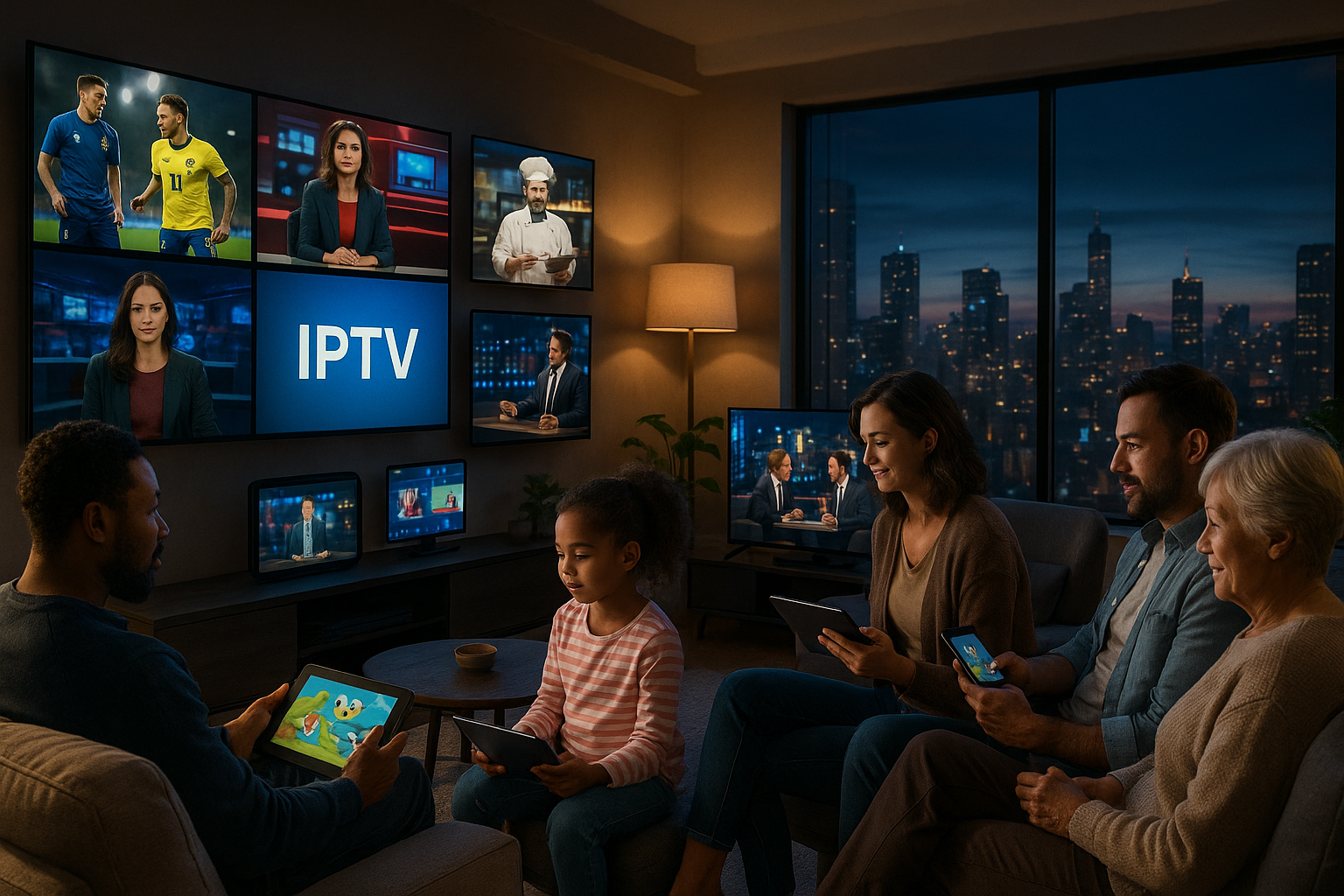
Let’s delve into the world of IPTV and explore the factors that affect how many screens you can use, what the best services offer, and how to optimize your setup for multi-device streaming.
Understanding IPTV Device Limits: What Affects How Many Screens You Can Use
What Is an IPTV Device Limit and Why Does It Matter?
An IPTV device limit refers to the number of devices you can simultaneously connect to your IPTV service. This limit is crucial because it dictates how many people in your household can watch different content at the same time. Exceeding this limit can lead to interruptions, buffering, or access denial.
Key Factors That Determine Device Limits: Subscription Plan, Provider Policy, and Streaming Quality
The number of devices you can use is primarily determined by your IPTV subscription plan and your provider’s policy. Some plans allow more simultaneous connections than others. Additionally, streaming quality can impact device performance; higher quality streams may require more bandwidth, potentially affecting multiple device usage.
Common Device Limit Scenarios: Single, Multi-Room, and Family Plans
IPTV providers often offer various plans to cater to different needs:
- Single Plan: Suitable for individual users, allowing one device connection.
- Multi-Room Plan: Designed for households, typically supporting 2-3 devices.
- Family Plan: Offers 4-5 device connections, ideal for larger families.
How Many Devices Can You Use with the Best IPTV Service?
Typical Device Limits for Popular IPTV Subscription Plans
Most popular IPTV subscription plans offer between 1 and 5 device connections. Premium plans may provide more flexibility, sometimes allowing up to 10 devices or even unlimited connections, though these are less common.
How to Check Your Provider’s Device Policy Before Buying an IPTV Subscription
Before purchasing an IPTV subscription, review the provider’s terms regarding device limits. This information is often found in the FAQs or terms of service on their website. Confirming these details can prevent unexpected interruptions.
What Happens When You Exceed the Allowed Number of Devices?
If you exceed your device limit, your service might block the extra device, log out another device, or temporarily suspend your account. Some providers display a message prompting you to disconnect a device.
Choosing the Right IPTV Player for Multiple Devices
Top IPTV Players That Support Multi-Device Streaming
Choosing the right IPTV player is essential for seamless multi-device streaming. Popular players like VLC, Kodi, and Perfect Player are known for their robust support across various devices.
How to Set Up an IPTV Player on Different Platforms (Android, iOS, Smart TV, Fire Stick)
The setup process varies by platform:
- Android/iOS: Download the IPTV app from the Play Store or App Store, and enter your subscription details.
- Smart TV: Install an IPTV app from your TV’s app store and configure it using your subscription credentials.
- Fire Stick: Use the Downloader app to install an IPTV player, then input your service details.
Player Features That Help Manage Multiple Devices: User Profiles, Watchlists, and Parental Controls
Modern IPTV players offer features like user profiles, watchlists, and parental controls to enhance the multi-device experience. These tools help manage content access and preferences across different users and devices.
Free IPTV vs Paid IPTV: Device Limits Compared
Why Free IPTV Services Often Restrict Device Count
Free IPTV services typically restrict users to one device per account due to limited resources and bandwidth. These services often have lower streaming quality and reliability.
Paid IPTV Subscriptions: More Devices, Better Reliability, and Customer Support
Paid subscriptions generally offer more device connections, higher streaming quality, and reliable customer support. Investing in a paid service can enhance your IPTV experience significantly.
Hidden Risks of Using Free IPTV on Multiple Devices
While free IPTV might seem appealing, it comes with risks. These include potential legal issues, malware, and frequent service interruptions, especially when attempting to stream on multiple devices.
IPTV Setup Guide: How to Stream on Multiple Devices Simultaneously
Step-by-Step IPTV Setup for a Two-Device Household
- Choose a compatible IPTV player for each device (e.g., VLC for PCs, Smart IPTV for Smart TVs).
- Install the player and enter your subscription details.
- Ensure both devices are connected to a robust internet connection for smooth streaming.
Can You Use IPTV on a Phone, Tablet, and TV at the Same Time?
Yes, you can use IPTV on a phone, tablet, and TV simultaneously, provided your subscription plan supports the number of devices you’re using. Each device needs a compatible player and a stable internet connection.
Troubleshooting Common Multi-Device Streaming Issues: Buffering, IP Conflicts, and Account Logouts
Common issues include buffering due to bandwidth limitations, IP conflicts when using too many devices, and account logouts if the device limit is exceeded. Ensuring a strong internet connection and adhering to your subscription’s device limits can mitigate these problems.
Tips to Maximize Your IPTV Device Limit Without Sacrificing Quality
How to Share an IPTV Subscription Safely with Family Members
To share an IPTV subscription safely, use secure passwords and enable user profiles to manage individual preferences and prevent unauthorized access.
Using a VPN to Bypass IPTV Device Restrictions: Pros and Cons
While a VPN can help bypass device restrictions by masking your IP address, it may violate your provider’s terms of service. Consider the potential risks before proceeding.
Best Practices for Managing Multiple IPTV Devices on One Network
Ensure your network can handle multiple streams by using a high-speed internet connection. Regularly update your IPTV player and devices to maintain compatibility and performance.
FAQs
- How many devices can I use with a typical IPTV subscription? Most IPTV providers allow between 1 and 5 simultaneous connections per subscription. Some premium plans offer unlimited devices, but this is less common. Always check your provider’s terms before signing up.
- Can I use the same IPTV account on multiple devices at the same time? Yes, if your subscription plan supports simultaneous connections. However, using too many devices at once may cause buffering or account blocks if you exceed the limit.
- Does using a VPN increase my IPTV device limit? A VPN can mask your IP address, which may help bypass certain device restrictions. However, many IPTV providers explicitly prohibit VPN use, and doing so could violate their terms of service.
- What happens if I try to connect more devices than my IPTV plan allows? The provider may block the extra device, log you out of another device, or temporarily suspend your account. Some services display an error message asking you to disconnect a device.
- Can I stream IPTV on a phone, tablet, and TV simultaneously? Yes, as long as your plan supports the number of devices you’re using. Each device needs a compatible IPTV player and a stable internet connection for smooth streaming.
- Are free IPTV services limited to fewer devices than paid ones? Yes, free IPTV services often restrict you to one device per account and may have lower streaming quality. Paid subscriptions typically offer more device slots and better performance.
Understanding how many devices can use IPTV is essential for a seamless streaming experience. By choosing the right service, managing your devices effectively, and following best practices, you can enjoy IPTV across multiple screens without interruption. Whether you’re using a best IPTV service or exploring free IPTV options, knowing your device limits will ensure you make the most of your streaming setup.
Frequently Asked Questions
How many devices can I use with a typical IPTV subscription?
Most IPTV providers allow between 1 and 5 simultaneous connections per subscription. Some premium plans offer unlimited devices, but this is less common. Always check your provider’s terms before signing up.
Can I use the same IPTV account on multiple devices at the same time?
Yes, if your subscription plan supports simultaneous connections. However, using too many devices at once may cause buffering or account blocks if you exceed the limit.
Does using a VPN increase my IPTV device limit?
A VPN can mask your IP address, which may help bypass certain device restrictions. However, many IPTV providers explicitly prohibit VPN use, and doing so could violate their terms of service.
What happens if I try to connect more devices than my IPTV plan allows?
The provider may block the extra device, log you out of another device, or temporarily suspend your account. Some services display an error message asking you to disconnect a device.
Can I stream IPTV on a phone, tablet, and TV simultaneously?
Yes, as long as your plan supports the number of devices you’re using. Each device needs a compatible IPTV player and a stable internet connection for smooth streaming.
Are free IPTV services limited to fewer devices than paid ones?
Yes, free IPTV services often restrict you to one device per account and may have lower streaming quality. Paid subscriptions typically offer more device slots and better performance.
How to Choose the Right how many devices can use IPTV
Choosing the right how many devices can use IPTV depends on device compatibility, playback quality, and how easily it can manage playlists.
A reliable how many devices can use IPTV should support smooth streaming, fast loading, and simple playlist setup without buffering issues.
Before using any how many devices can use IPTV, test whether it works well with your IPTV service, device, and preferred M3U format.
Benefits of Using how many devices can use IPTV
An how many devices can use IPTV can make it easier to organize channels, manage playlists, and improve the viewing experience.
The best how many devices can use IPTV should be stable, responsive, and easy to configure for long-term streaming use.
If you want the best experience, choose how many devices can use IPTV with stable performance, simple setup, and good compatibility across devices.
Many users prefer how many devices can use IPTV because the best how many devices can use IPTV can improve stability, setup speed, and overall streaming quality.
When comparing options, focus on whether the how many devices can use IPTV offers a smooth interface, reliable updates, and strong playlist support.
A high-quality how many devices can use IPTV should be easy to install, simple to configure, and dependable for everyday streaming.
For official device setup help related to how many devices can use IPTV, visit Amazon Fire TV support.
Ready to experience the best how many devices can use IPTV service?
44,000+ live channels · 100,000+ movies · 4K Ultra HD · 24/7 support
Try Our Services → Secure Checkout